Precision Grading and Leveling in Thomasville, GA for Construction Sites
Grading and leveling services in Thomasville, GA use laser-guided technology to create precise slopes for drainage, construction foundations, and site preparation with recommended grades of two to five percent.
How Does Laser-Guided Technology Improve Grading Accuracy?
Laser systems project a reference plane across the site, allowing operators to adjust blade heights in real time and achieve exact elevations within fractions of an inch.
Traditional grading relies on manual measurements and stakes, which can shift or become inaccurate over large areas. Laser-guided equipment continuously compares the blade position to the digital plan, making automatic corrections as the machine moves. This precision prevents low spots that collect water and high points that disrupt drainage flow.
You see fewer callbacks for rework and faster project completion when grading meets engineering specs the first time. The technology also reduces material waste by cutting and filling only where needed.
What Slope Percentage Prevents Water Pooling?
A slope of two to five percent directs stormwater away from structures and prevents standing water that damages foundations or landscaping over time.
Slopes below two percent may not drain effectively, especially in clay soils that absorb water slowly. Grades steeper than five percent can cause erosion and make landscaping difficult. Engineers calculate the ideal slope based on soil type, lot size, and proximity to streets or drainage systems.
Proper grading also protects neighboring properties from runoff, keeping you compliant with local stormwater regulations. If your project includes detailed earth moving, review excavation services in Douglas to coordinate foundation and grading work.
Our Other Services
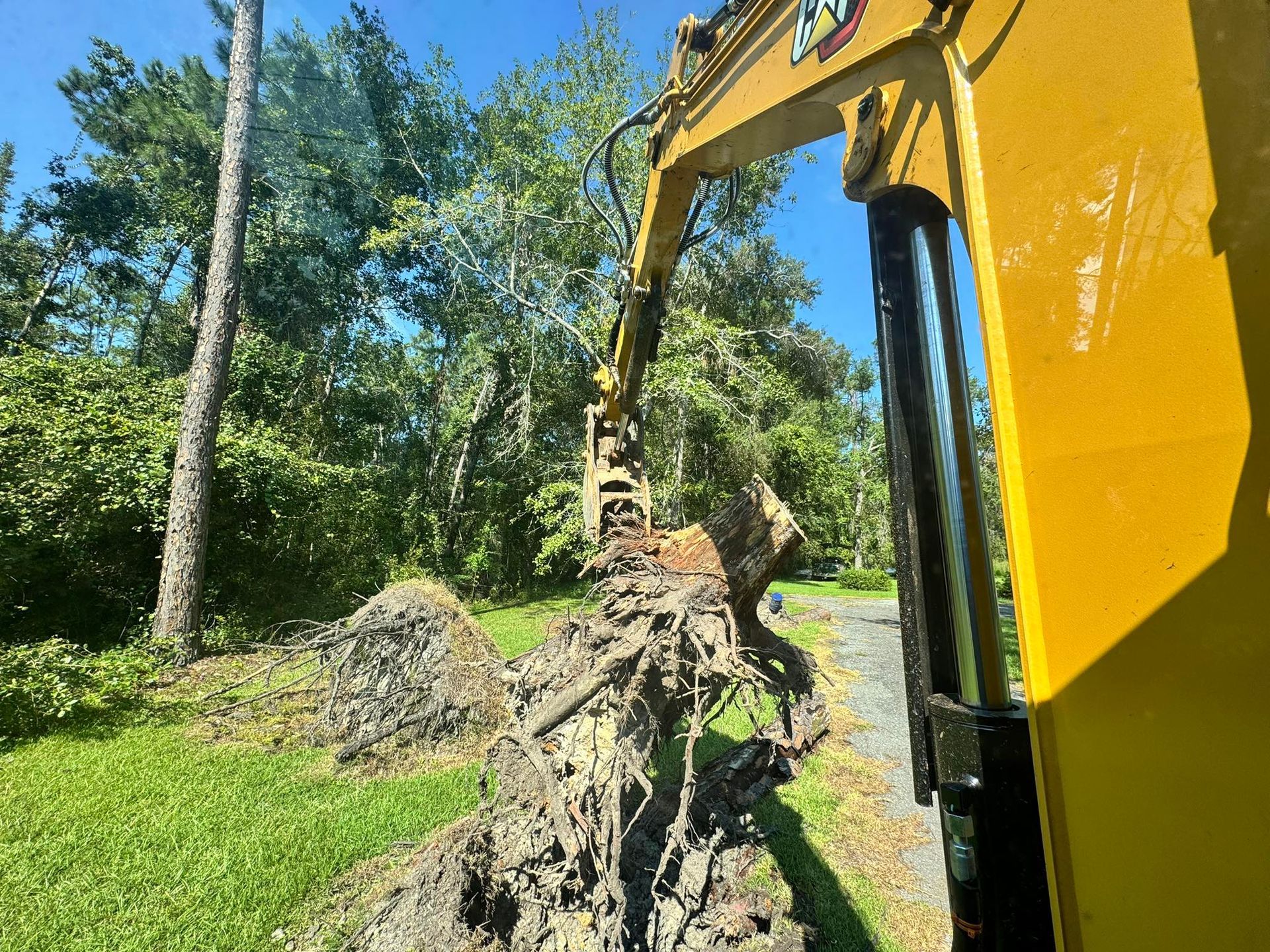
Land Clearing
Learn More
Irrigation Systems
Learn More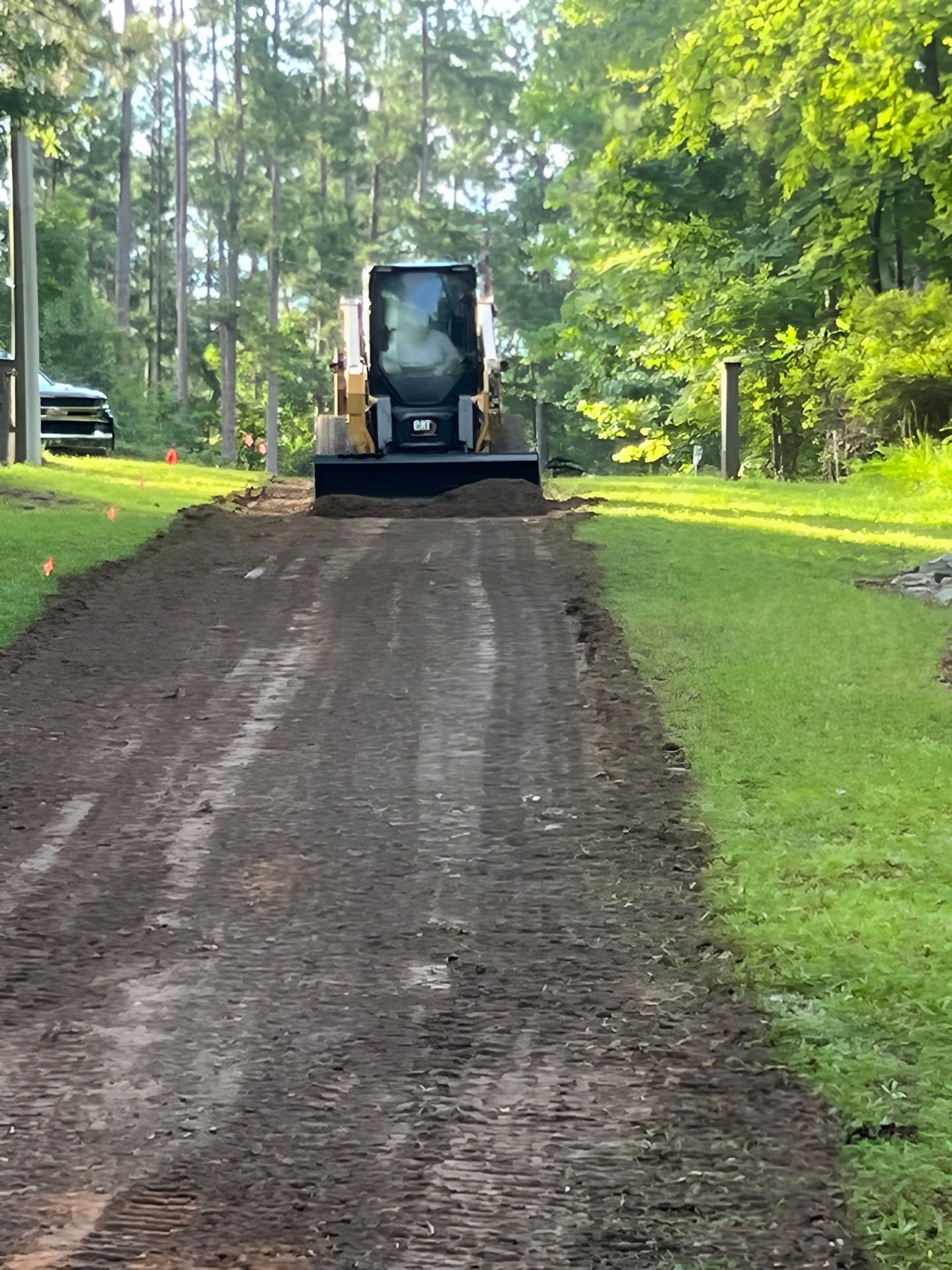
Erosion Control
Learn More
Lot & Land Prep
Learn MoreCan Grading Correct Existing Drainage Problems?
Regrading adjusts surface contours to redirect water flow, eliminate soggy areas, and restore proper drainage around buildings or yards that have settled unevenly.
Over time, soil compaction and erosion can create depressions that trap runoff. A grading contractor surveys your site to identify problem zones and designs new slopes that channel water toward safe outlets. Adding or removing soil may be necessary to achieve the correct grade.
You gain a healthier landscape and reduce the risk of foundation damage when water flows away from your property consistently. Coordination with irrigation planning ensures your new grades support efficient water management.
How Do Thomasville's Historic Lot Layouts Affect Grading Plans?
Many older neighborhoods feature narrow lots with established trees and limited setbacks, requiring careful grading to avoid root damage and maintain drainage without encroaching on adjacent properties.
Historic districts may also have restrictions on altering original site contours or removing mature vegetation. Grading crews use smaller equipment and hand-finish areas near tree protection zones. Survey data helps define property lines precisely, so new slopes stay within your boundaries.
Local permits often mandate erosion control measures during grading to protect nearby streets and stormwater systems. For comprehensive site prep, explore land solutions in Adel that integrate grading with clearing and excavation.
Accurate grading sets the foundation for stable construction and effective drainage across your property. GM Land Solutions applies laser-guided precision and site-specific planning to deliver grading that meets engineering standards in Thomasville.
Start your grading project by calling 912-347-5904 to schedule a site evaluation and discuss how proper slopes protect your investment.