
Custom Driveway Installation in Douglas, GA with Gravel and Asphalt Options
Driveway installation in Douglas, GA covers all phases from site surveys to final surfacing with gravel and asphalt materials, including proper base preparation and drainage systems.
Which Base Layers Ensure Long-Term Driveway Stability?
A compacted stone base of crushed granite or limestone provides load distribution and drainage, preventing settling and cracks in gravel or asphalt surfaces over time.
Skipping the base or using inadequate thickness leads to ruts and potholes within months. Professionals typically install four to six inches of base material, compacting it in lifts to achieve maximum density. This layer also acts as a barrier against moisture wicking up from the subgrade.
Proper base preparation accounts for soil type and expected traffic loads, ensuring your driveway remains level and functional through seasonal changes. You avoid costly repairs when the foundation is built correctly from the start.
Our Other Services
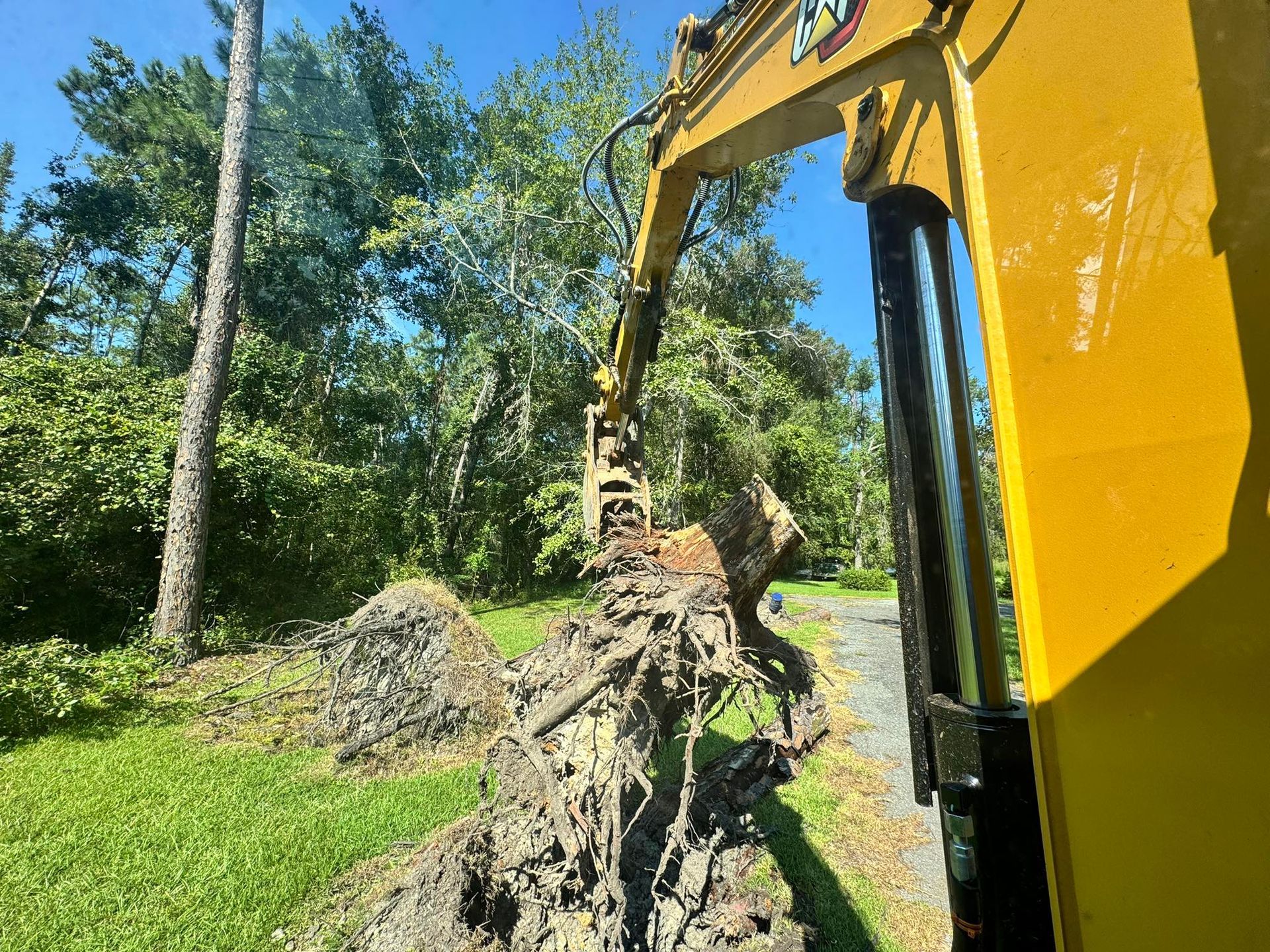
Land Clearing
Learn More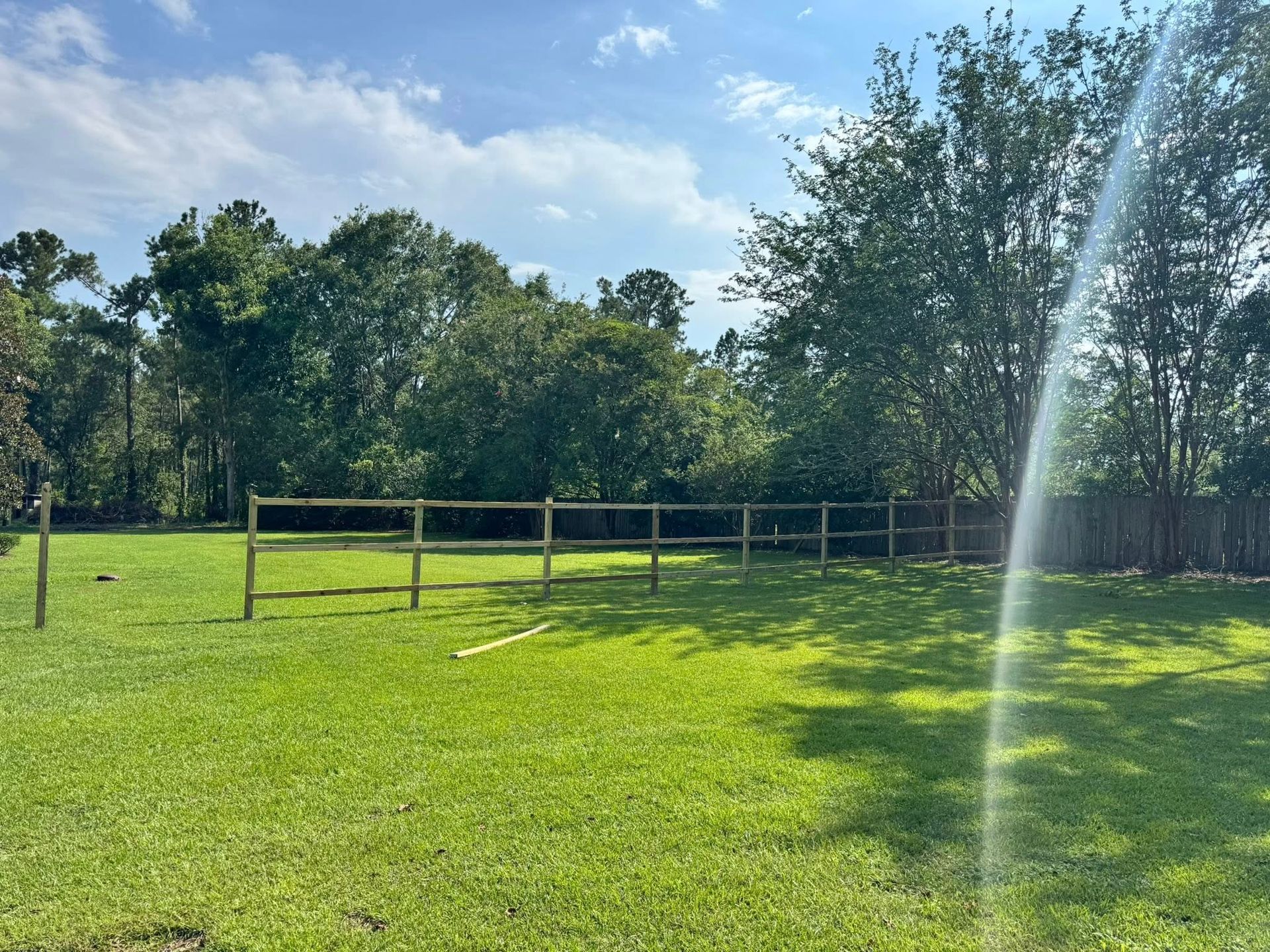
Irrigation Systems
Learn More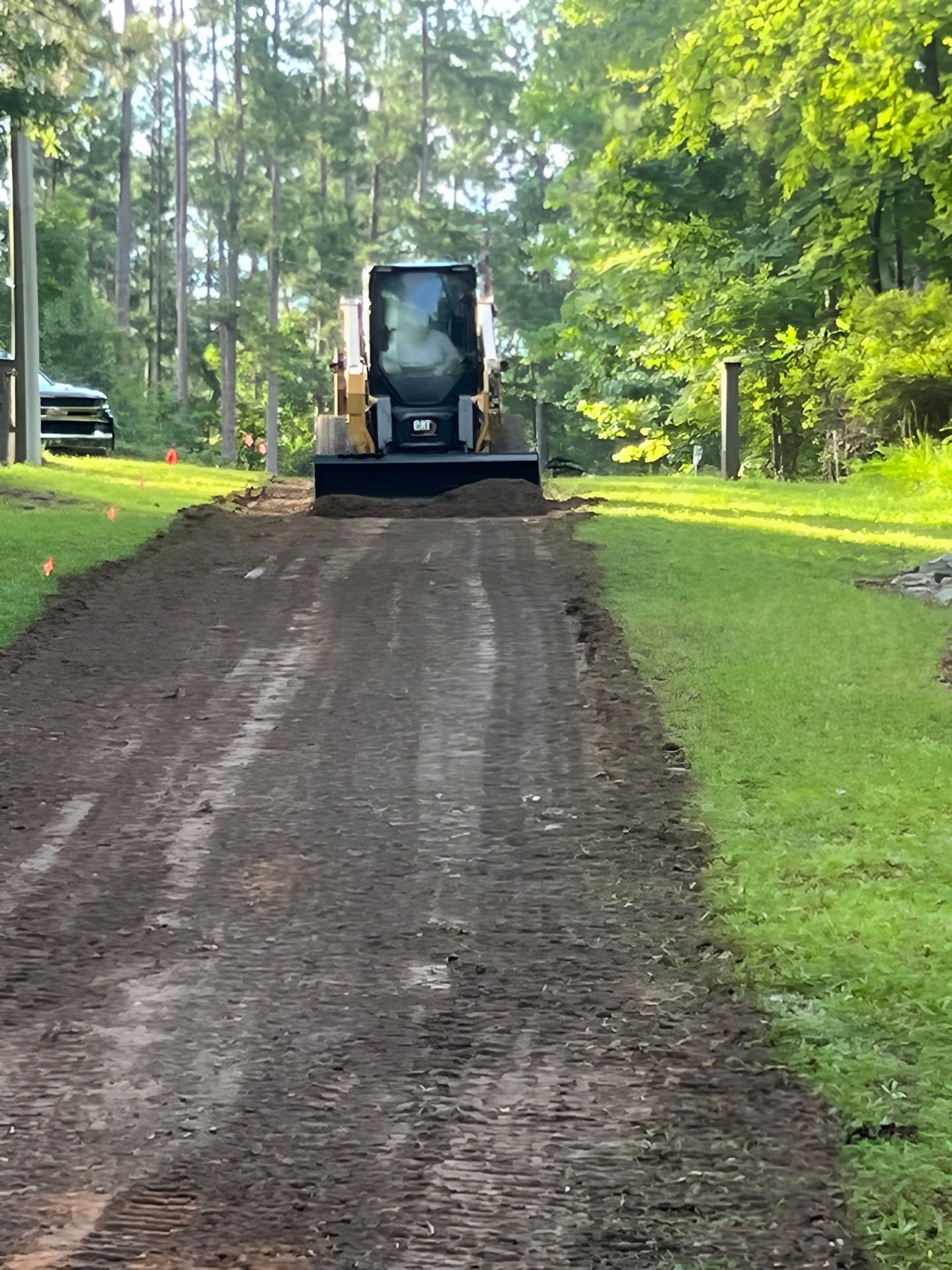
Erosion Control
Learn More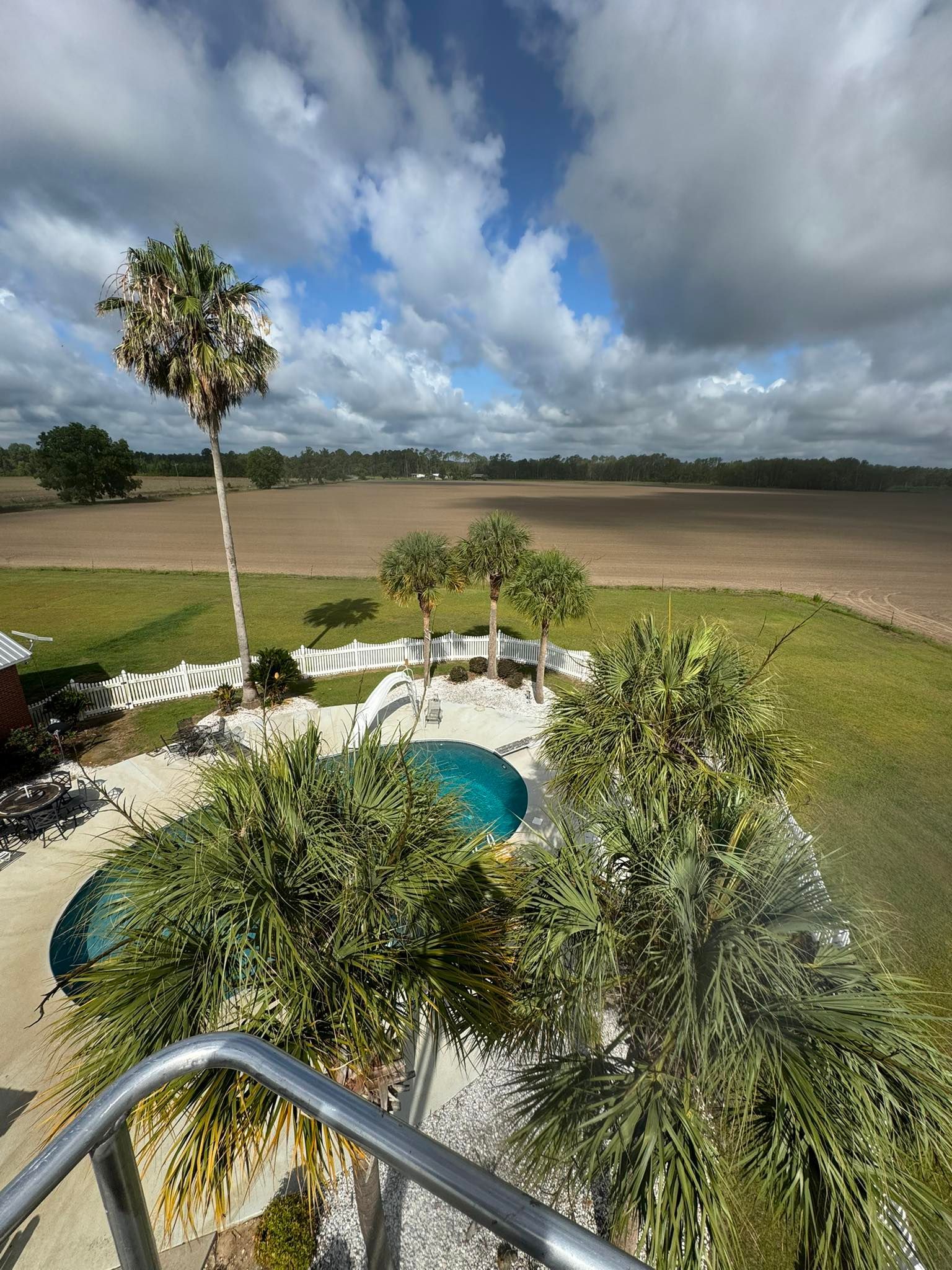
Lot & Land Prep
Learn MoreHow Do Drainage Systems Prevent Driveway Damage?
French drains, swales, and crowned surfaces channel water away from the driveway, preventing erosion of the base and surface materials that cause failures.
Water pooling on or under a driveway weakens the base and accelerates freeze-thaw damage in colder months. Installing drainage features along the edges or beneath the driveway keeps the base dry. Crown shaping creates a gentle slope from the center to the sides, guiding runoff into planned outlets.
Integrating driveway drainage with overall site grading protects your investment and complies with local stormwater codes. For coordinated site work, consider grading and leveling services in Douglas to manage slopes and runoff.
What Are the Differences Between Gravel and Asphalt Surfaces?
Gravel offers lower initial costs and natural drainage but requires periodic regrading, while asphalt provides a smooth, low-maintenance surface with higher upfront investment.
Gravel driveways work well for rural properties and light traffic, but they can develop ruts and need topping every few years. Asphalt delivers a clean, finished look and withstands heavier use without shifting. However, asphalt requires sealing to protect against UV and moisture damage.
Your choice depends on budget, aesthetic preferences, and how much maintenance you want to manage. Both options perform well when installed over a properly prepared base and drainage system.
How Does Douglas's Sandy Soil Influence Driveway Construction?
Douglas's sandy soils drain quickly but lack structural support, making a well-compacted base and geotextile fabric critical to prevent sinking and spreading of driveway materials.
Without stabilization, sand shifts under vehicle weight, causing edges to spread and surfaces to dip. Contractors often lay geotextile between the subgrade and base to separate layers and distribute loads evenly. This fabric also prevents fine sand from migrating into the base stone.
Local experience with sandy conditions ensures your driveway remains stable through wet and dry cycles. If you need broader site preparation, explore excavation services in Waycross to coordinate grading and utility work.
A well-built driveway enhances access and curb appeal while standing up to daily use and weather. GM Land Solutions delivers custom driveway installation in Douglas, from site surveys through final surfacing, with attention to base quality and drainage.
Plan your driveway project by calling 912-347-5904 to discuss material options, timeline, and how proper preparation protects your investment.